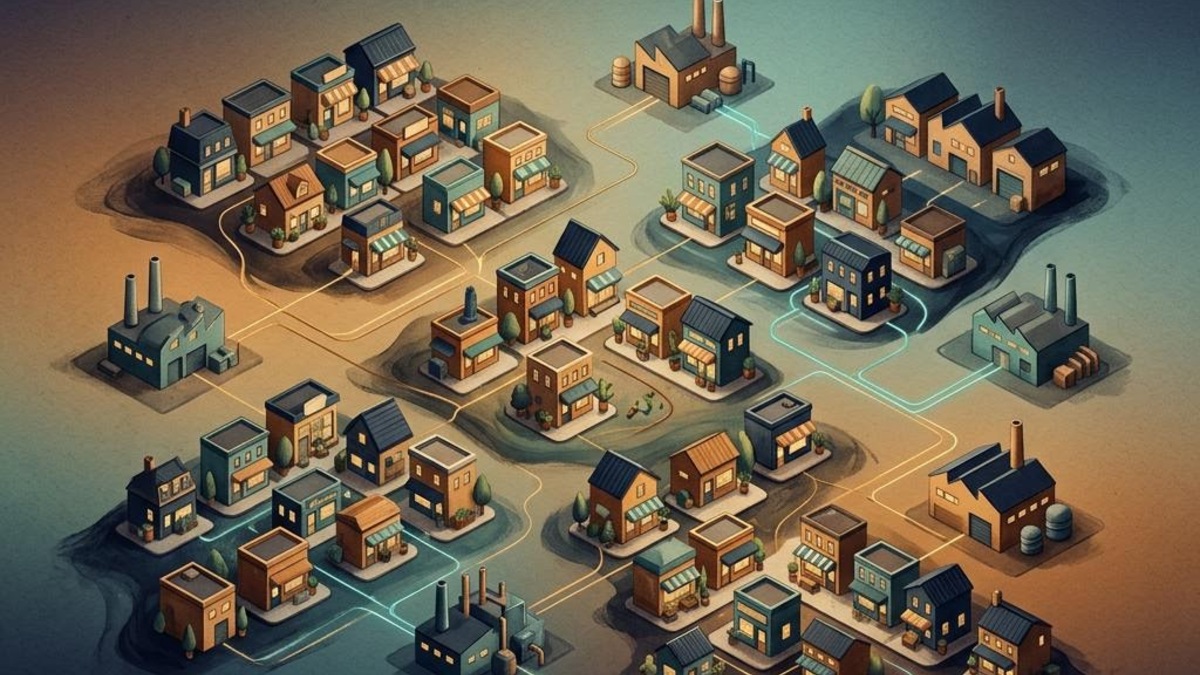
There used to be more distributors. You remember.
A decade ago, you had options. Regional players who knew their markets. Specialists who understood your category. Competitors who kept each other honest on terms and service levels.
That world is shrinking. And the implications for manufacturers are worse than most people realize.
The Math of Fewer Options
Distribution consolidation follows a predictable pattern. A larger player acquires a regional competitor. Catalogs get merged. "Redundant" brands get rationalized. Overhead gets cut. The combined entity emerges with more market power and less competition.
For the distributor, this is efficient. For you, it's a slow-motion squeeze.
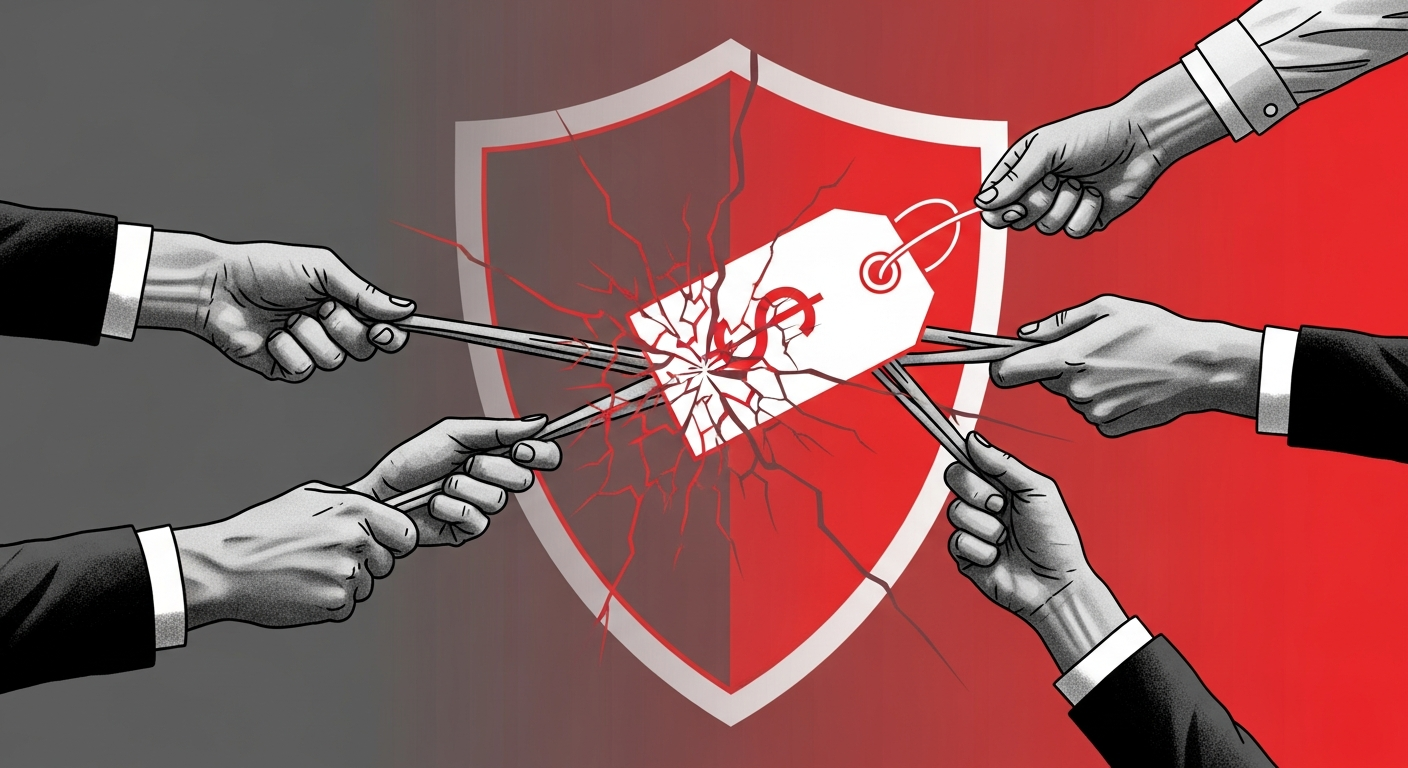
Every time two distributors become one, your leverage decreases. Your fallback options narrow. Your ability to negotiate terms weakens. The remaining players know this, and they price accordingly.
Leverage Shifts to the Middle
In a fragmented distribution landscape, manufacturers have power. If one distributor's terms are unreasonable, you can shift volume to another. The threat of walking keeps everyone honest.
In a consolidated landscape, that threat loses credibility. Where exactly are you going to go? The remaining distributors know your options as well as you do. They've done the math.
Fewer distributors doesn't mean simpler. It means less leverage.
This shows up in small ways at first. Terms that used to be negotiable become standard. Co-op requirements creep up. Payment windows tighten. Service levels that were once differentiators become "premium" add-ons.
None of these changes happen dramatically. They happen gradually, each one just small enough to accept. But the cumulative effect is significant.
The Catalog Rationalization Problem
When distributors consolidate, they inherit overlapping product lines. Two catalogs become one, and suddenly there's pressure to simplify.
The brands that survive rationalization tend to be the ones with the highest velocity, the deepest relationships with the acquiring entity, or the most aggressive co-op programs. If you're a mid-size manufacturer without those advantages, you're vulnerable.
And here's the thing: you often don't find out until it's too late. The acquiring company isn't going to telegraph which lines they're planning to sunset. You'll get a call when the decision's already been made.
Regional Knowledge Disappears
One underappreciated casualty of consolidation is regional expertise. The distributor who knew the Texas market cold, who had relationships with every dealer in the Midwest, who understood the seasonal patterns in the Mountain West - that knowledge gets absorbed into a national operation and often gets lost.
What replaces it is standardization. National account teams. Centralized buying. One-size-fits-all programs that optimize for scale rather than nuance.
For manufacturers trying to build regional presence or cultivate specific dealer relationships, this is a problem. Your distributor used to be a partner who understood local dynamics. Now they're an infrastructure provider who treats every market the same.
The Window for Alternatives
Consolidation creates urgency, but it also creates opportunity.
Right now, you still have some options. You can still build direct relationships with dealers. You can still develop infrastructure that doesn't depend entirely on distribution. You can still create leverage by having alternatives.
But that window narrows with every acquisition. The more consolidated distribution becomes, the harder it is to build around it. The infrastructure advantages that distributors provide become more entrenched. The switching costs go up.
The manufacturers who will thrive in a consolidated distribution environment are the ones building optionality now - before they need it.
Build Before You Need It
Direct-to-retail isn't about abandoning distribution. It's about not being captive to it.
When you have a direct channel that works - even if it's running parallel to your distributor relationships - you have leverage. You have fallback. You have the ability to say no to terms that don't work for you.
The consolidation squeeze is coming for everyone. The question is whether you'll have options when it arrives.
Oryx DTR helps manufacturers build that optionality now. See how it works.
For a practical network model that carries coordination costs in shared infrastructure, read how local dealer networks overcome concentration.