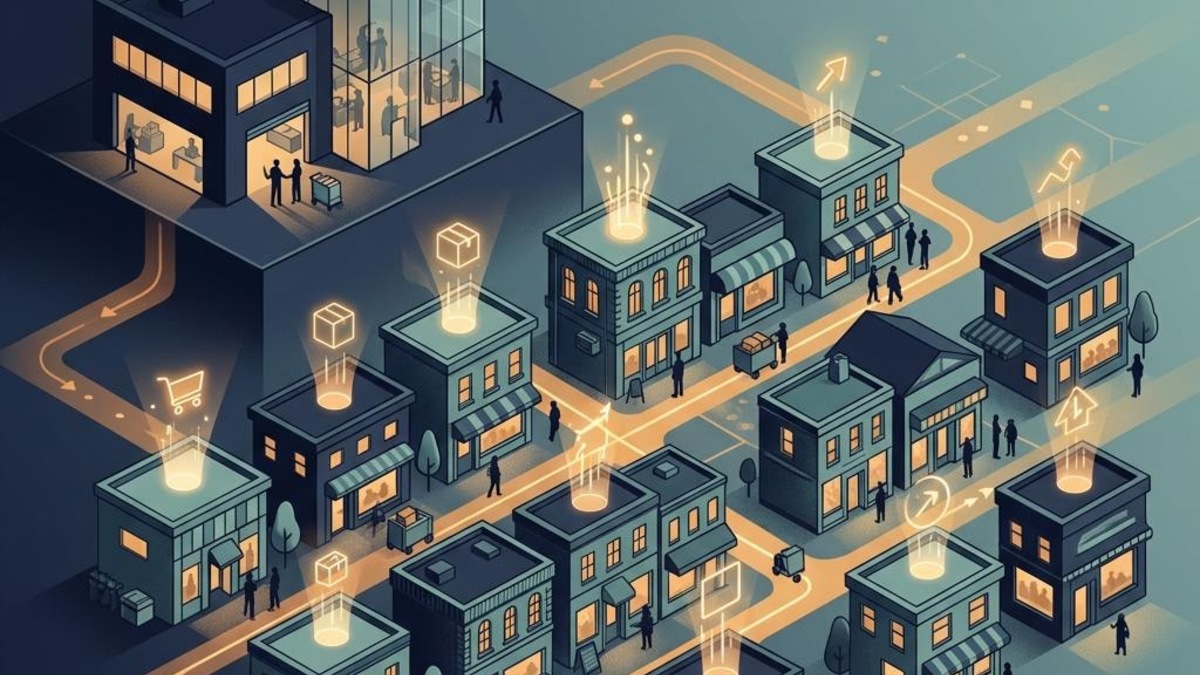
Every time a dealer orders your product through a distributor, information is created. Who bought. How much. When. What else they ordered. Whether they reordered. How your product performed relative to competitors.
That information is valuable. And you're not getting it.
What the Distributor Knows
Your distributor has a complete picture of the market that you'll never see. They know:
Which dealers are growing and which are shrinking. What products are gaining share and what's losing. Seasonal patterns by region. Price sensitivity across categories. How promotions affect velocity. What dealers order when your product is out of stock.
They know this because they see every transaction across every manufacturer they carry. They're sitting on a dataset that would transform how you think about your business.
And they have very little incentive to share it with you.
Why They Keep It
Data is the distributor's competitive advantage. It's what lets them optimize their own operations, make better inventory decisions, identify opportunities. Sharing it with you doesn't help them - and in some cases, it might help you realize you don't need them as much as you thought.
So you get summaries. Aggregated reports. High-level numbers that tell you what happened but not why. Enough to keep you informed, not enough to make you dangerous.
You're generating the data. Someone else is using it.
What You're Missing
Think about the decisions you make with incomplete information:
Production planning. You're forecasting based on distributor orders, not actual sell-through. By the time you see demand signals, they've been filtered and delayed. You're always reacting rather than anticipating.
Product development. Which SKUs are actually performing? Where are the gaps? What are dealers asking for that they can't get? You're guessing based on fragments when you could be deciding based on data.
Pricing strategy. How price-sensitive is demand for your products? How do promotions affect volume? Where's there room to capture margin versus where do you need to compete? Without sell-through data, you're flying blind.
Dealer relationships. Which dealers are your best partners? Who's growing your brand versus just moving commodity volume? Who deserves more attention, better allocation, tighter relationships? You can't prioritize what you can't see.
The Competitive Disadvantage
Here's what makes this especially painful: your competitors who've built direct channels have this data. They know exactly what's selling, where, to whom. They can react faster, plan better, allocate smarter. And if your competitor goes direct first, that visibility gap becomes a permanent disadvantage.
You're competing against companies that can see the market while you're working from a blurry snapshot. Over time, that visibility gap compounds into real competitive disadvantage.
What Direct Changes
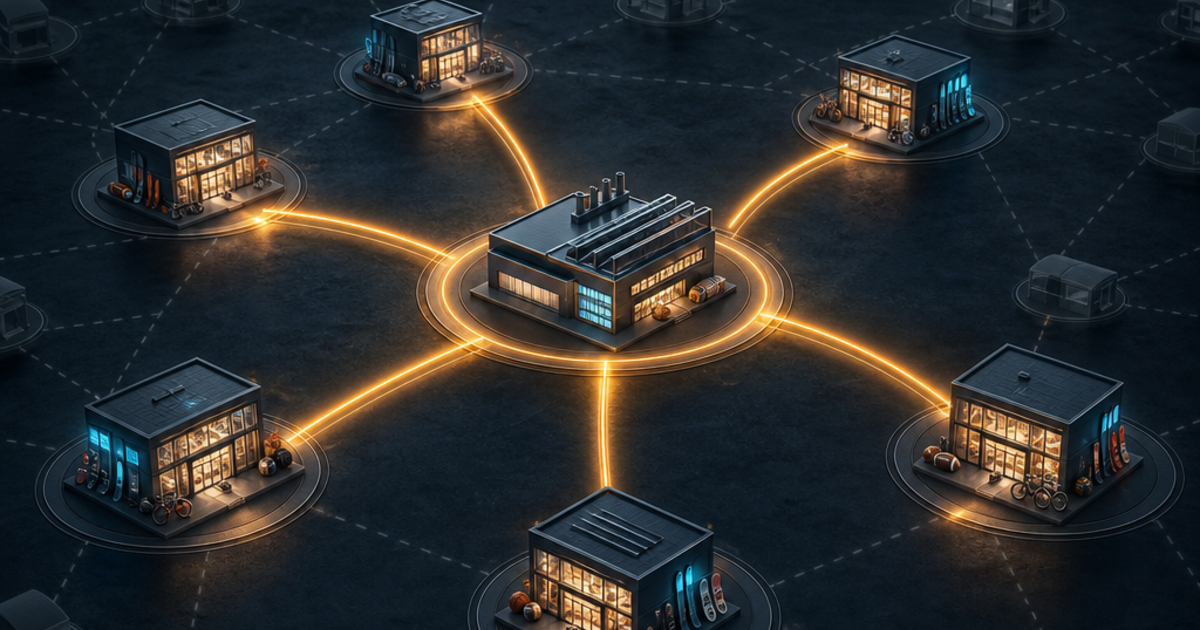
When dealers order from you directly, you capture the data. Every transaction. Every dealer. Every SKU. Real-time, complete, yours.
You know who your customers actually are - not just which distributors buy from you, but which dealers are building your brand. You see patterns as they emerge, not months later in a summary report. You can tie production to actual demand instead of distributor forecasts.
The information asymmetry flips. Instead of being the party with the least visibility, you become the one who sees most clearly.
Stop Giving It Away
Every day you operate exclusively through distribution, you're creating data that benefits someone else more than you. That's not a minor inefficiency - it's a strategic blind spot.
Oryx DTR puts you back in the loop. Direct orders mean direct data - visibility you can actually use to run your business better. See what visibility looks like.
The same visibility question is examined in why manufacturers must own their dealer data.