When we talk to manufacturers about direct-to-retail, one objection comes up more than any other:
"We can't do direct. We don't have the logistics infrastructure. We'd need warehouses, shipping operations, a whole fulfillment team. That's what distributors are for."
It's a reasonable concern. And ten years ago, it would have been a dealbreaker.
It's not anymore.
The Old Model vs. The New
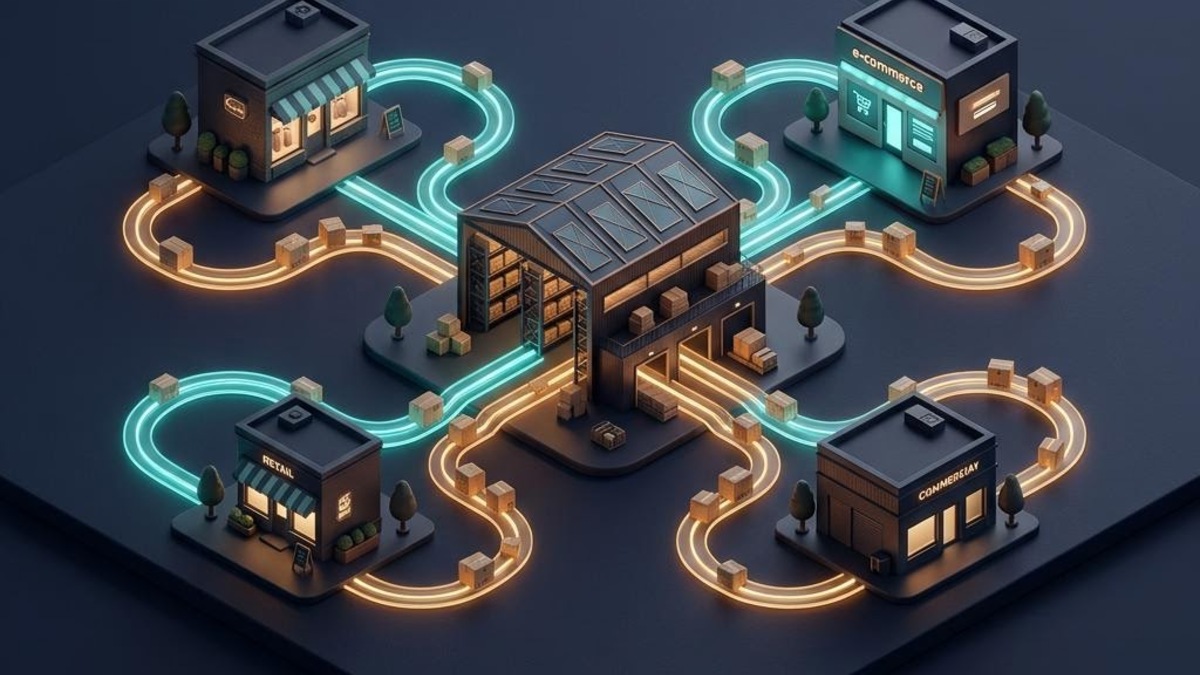
The traditional direct-to-retail model required manufacturers to replicate everything distributors do: warehouse inventory in strategic locations, staff a shipping operation, handle pick-pack-ship for thousands of small orders. The capital requirements and operational complexity were genuinely prohibitive for most manufacturers.
Dropship changes that equation entirely.
In a dropship model, you don't need distributed warehousing. You ship from your existing facility - wherever that is - directly to the dealer or even the end customer. The order comes through the platform; you fulfill it from your normal inventory. No new infrastructure required.
What You Actually Need
To support a dropship-based direct-to-retail model, you need:
Inventory you're already holding. You have finished goods somewhere. Whether it's at your manufacturing facility, a 3PL, or a small warehouse, that inventory can be the fulfillment source. You don't need to build a parallel distribution network.
Basic shipping capability. If you can ship to a distributor, you can ship to a dealer. The packaging and carrier relationships you already have work fine. Volume might increase over time, but the initial infrastructure is the same.
A platform that handles the complexity. The hard parts of direct - order management, dealer communication, invoicing, catalog syndication - are software problems. You don't need to build that; you need to use it.
You don't need to become a logistics company. You need a different logistics model.
The Shipping Cost Question
The next objection is usually about shipping economics: "Distributors consolidate orders and ship efficiently. If I'm shipping individual orders to dealers, won't my freight costs explode?"
It's a fair question with a nuanced answer.
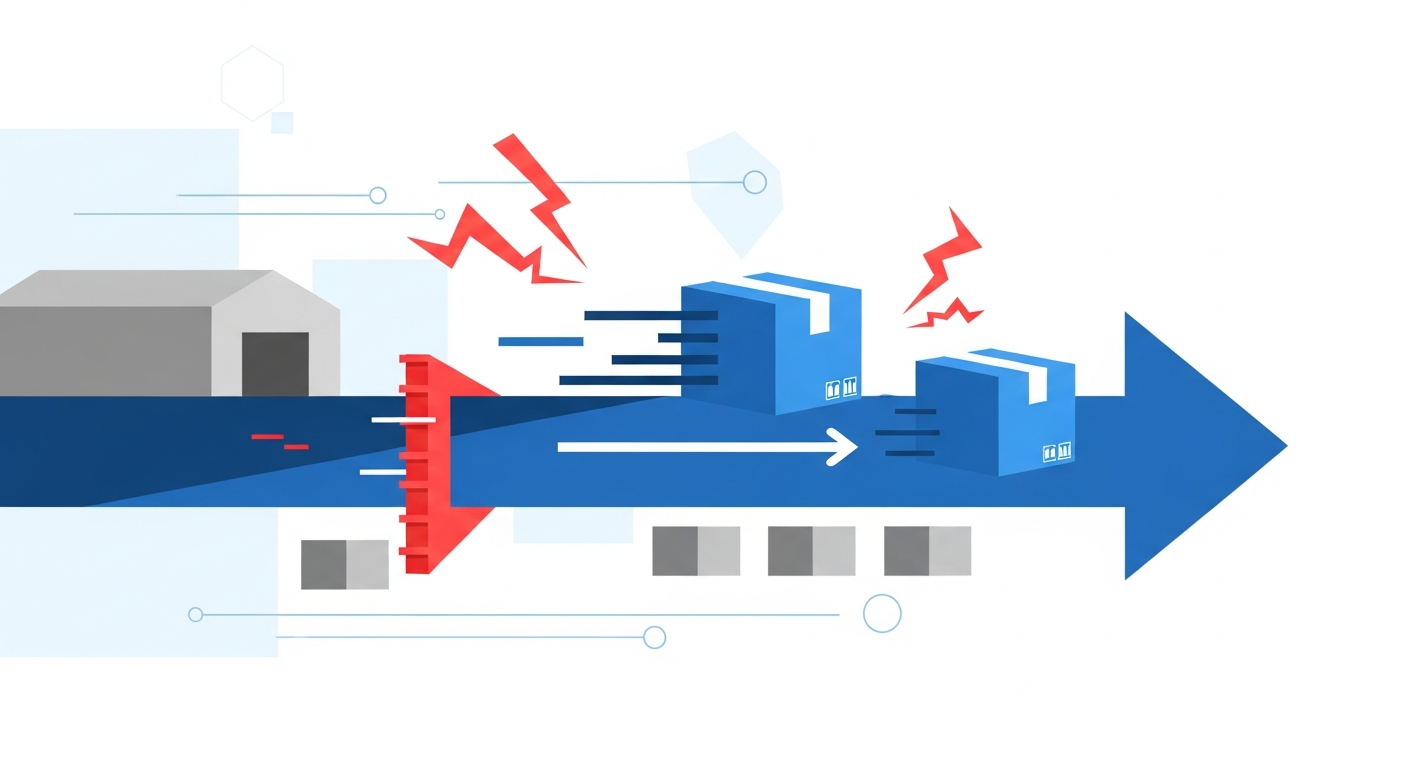
Yes, per-shipment costs for small orders are higher than consolidated truckloads to distributors. But you have to compare total economics, not just freight line items.
When you ship through distribution, you're paying freight to get product to the distributor, then the distributor is building their freight costs into their margin. You're paying for shipping twice - you just don't see the second layer itemized.
Direct dropship often costs less total even when the per-shipment cost looks higher, because you're eliminating a leg of the journey and the margin that covers it.
Speed as an Advantage
Here's something that often gets overlooked: dropship is frequently faster than distribution.
When a dealer orders through a distributor, your product has to be in the distributor's warehouse, get picked, get shipped to the dealer. If it's not in stock, there's a backorder. If there's a delay at the warehouse, the dealer waits.
With dropship, you're shipping from your inventory directly. No intermediate warehouse. No waiting for the distributor's fulfillment cycle. The order comes in; you ship it. For dealers who value speed - and many do - this is a meaningful advantage.
Scaling Gracefully
The beauty of dropship-based direct is that it scales with your comfort level.
You don't have to flip a switch and go 100% direct overnight. You can start with a subset of dealers, a subset of SKUs, a limited geography. You can run direct parallel to your existing distribution relationships, letting the channel grow organically while you build operational confidence.
If order volume eventually justifies more sophisticated logistics - regional 3PLs, dedicated fulfillment staff, whatever - you can add that infrastructure later. But you don't need it to start. You can prove the model before you invest in scaling it.
The Real Barrier Isn't Logistics
When manufacturers say they can't do direct because of logistics, what they often mean is they haven't seen a model that makes the logistics manageable. The assumption is that direct means building a parallel distribution operation from scratch.
Dropship removes that assumption. The infrastructure requirement drops dramatically. The capital requirement drops. The operational complexity drops.
The real barriers to direct are usually different: uncertainty about dealer adoption, concerns about distributor relationships, questions about platform reliability. Those are worth discussing. But logistics? That's a solved problem.
See It In Practice
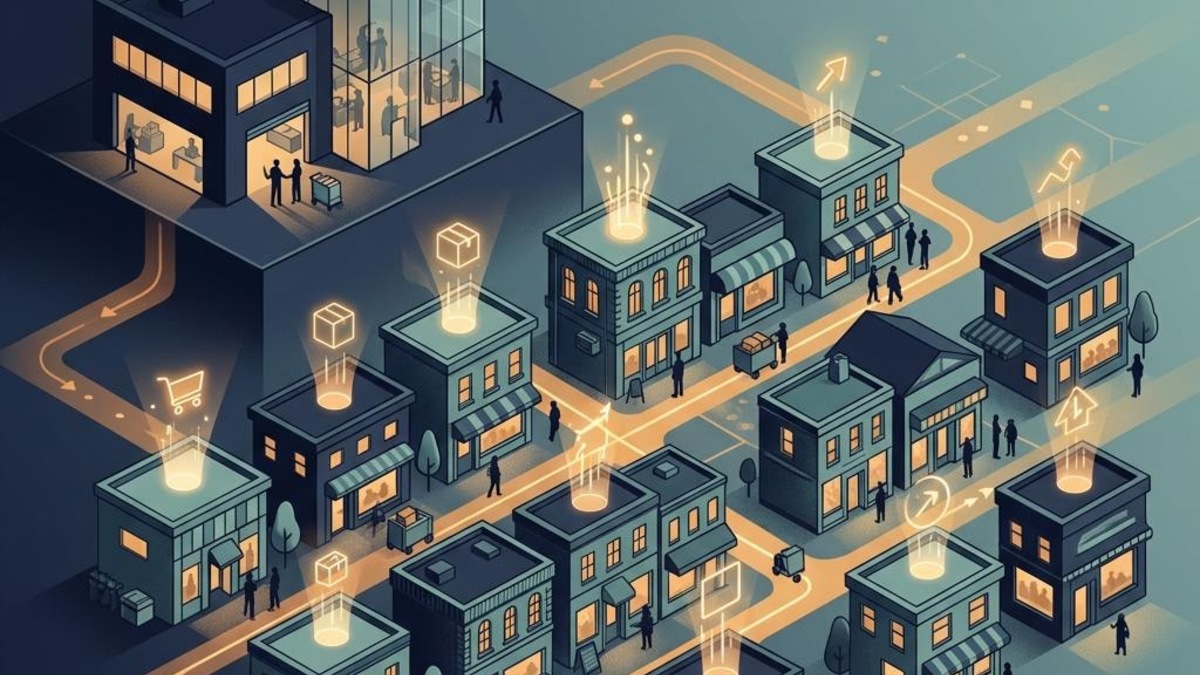
Oryx DTR was built around dropship fulfillment because we believe it's the model that actually works for firearms manufacturers. No warehouse network required. No massive infrastructure investment. Just a platform that connects your existing operations to dealers who want to buy direct.
See how the fulfillment model works.
For a deeper look at keeping dealer listings and orders connected, read how bi-directional catalog syndication drives dropship volume.