The traditional wholesale distribution model is under pressure. This isn't speculation - it's math.
For decades, manufacturers have relied on a tiered system of distributors to reach retailers, trading significant margin for logistics and market access. That tradeoff made sense when the alternatives were worse. The alternatives are no longer worse.
What Changed
Three things happened that fundamentally altered the distribution equation:
Logistics got democratized. Third-party fulfillment, dropship networks, and modern shipping infrastructure mean you no longer need a distributor's warehouse to reach customers efficiently. The physical distribution advantage that justified distributor margins has eroded.
Information became portable. Dealer databases, ordering systems, and catalog management used to require infrastructure that only distributors could afford. Now that infrastructure is software, and software is cheap. The information advantage has flattened.
Retailers adapted. Dealers are increasingly comfortable ordering direct when the experience is good. The expectation that everything flows through distribution is generational, and a new generation of buyers doesn't share it.
The Margin Equation
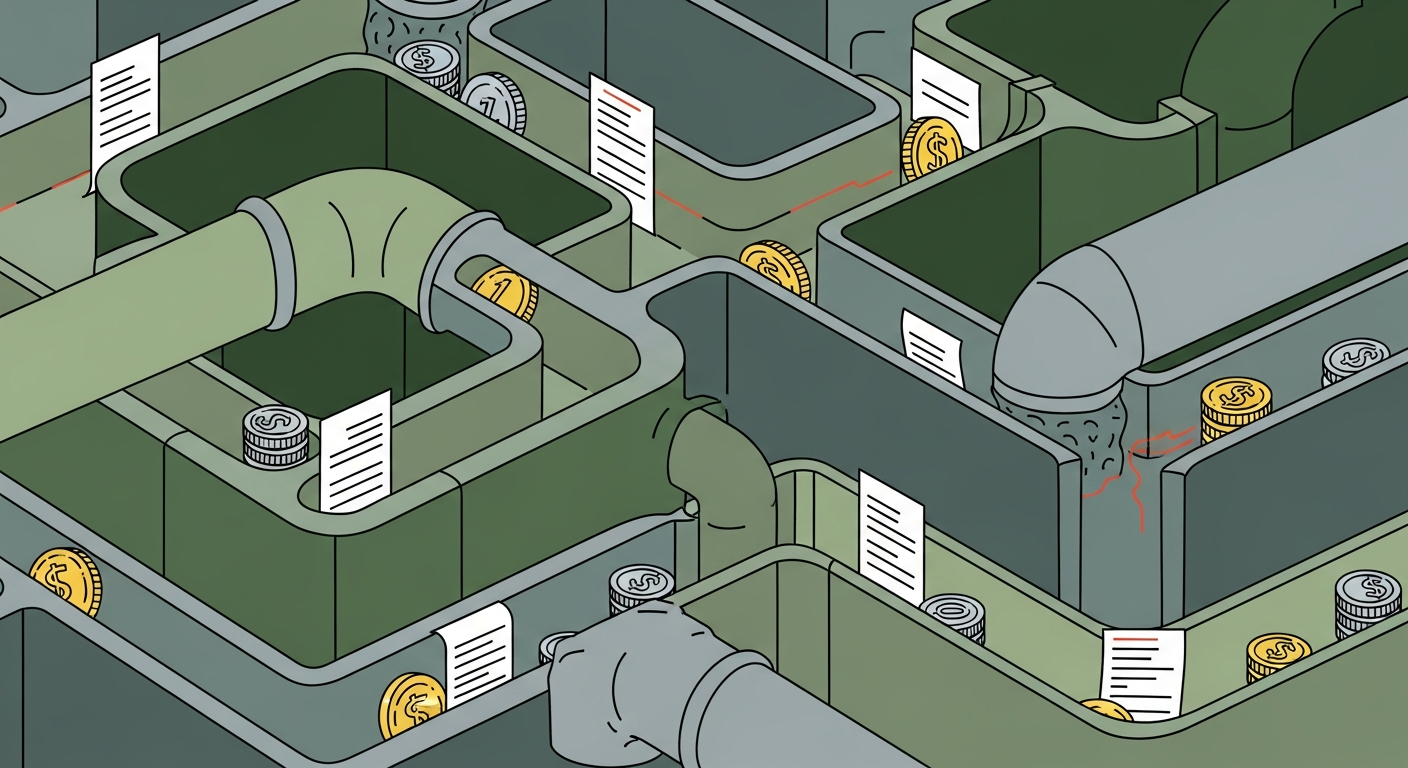
In a typical distribution arrangement, somewhere between 15-25% of the final retail price gets absorbed by the middle. That margin covers distributor overhead, sales teams, warehousing, and profit. It's real money for real services.
But here's the question worth asking: What if you could provide those services more efficiently yourself? What if the margin you're surrendering exceeds the cost of the capability you're buying?
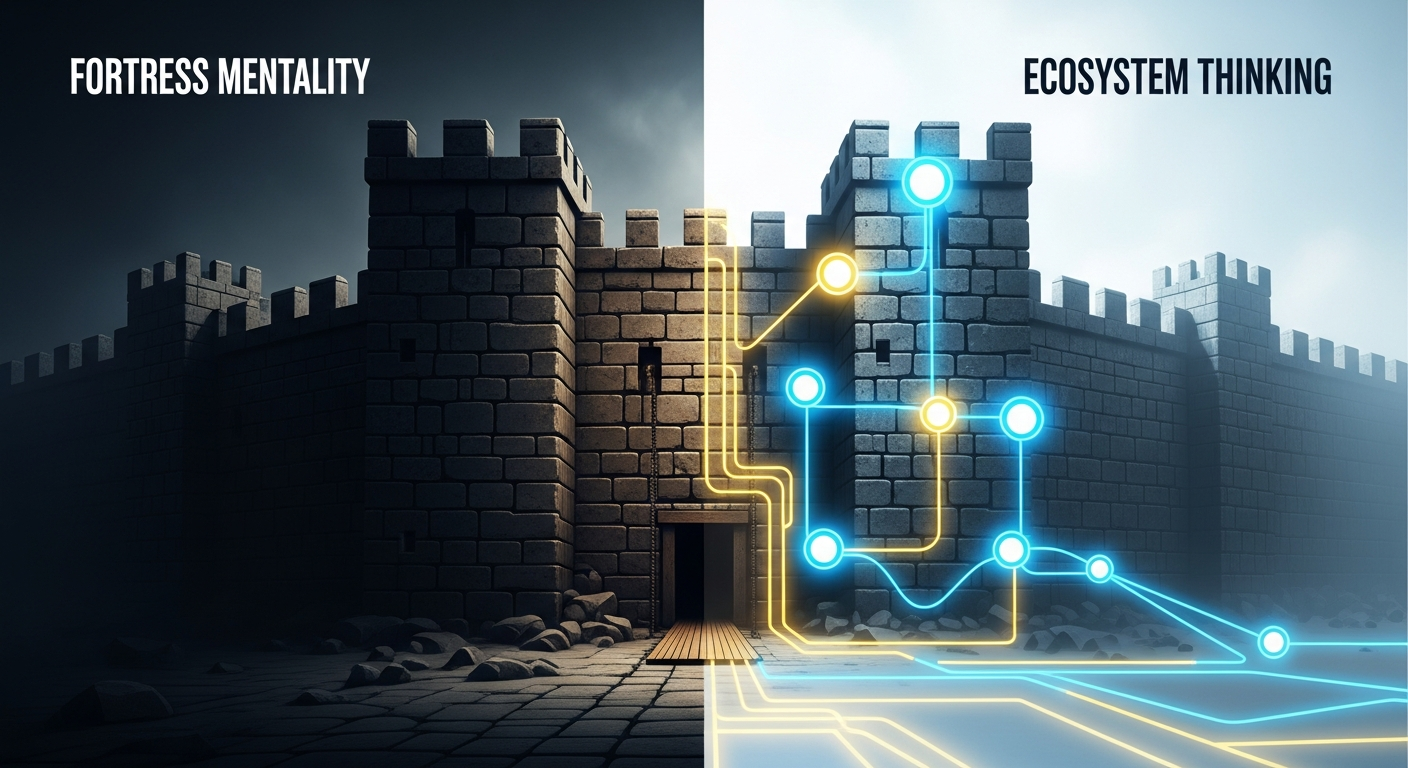
The middle was mandatory. It isn't anymore.
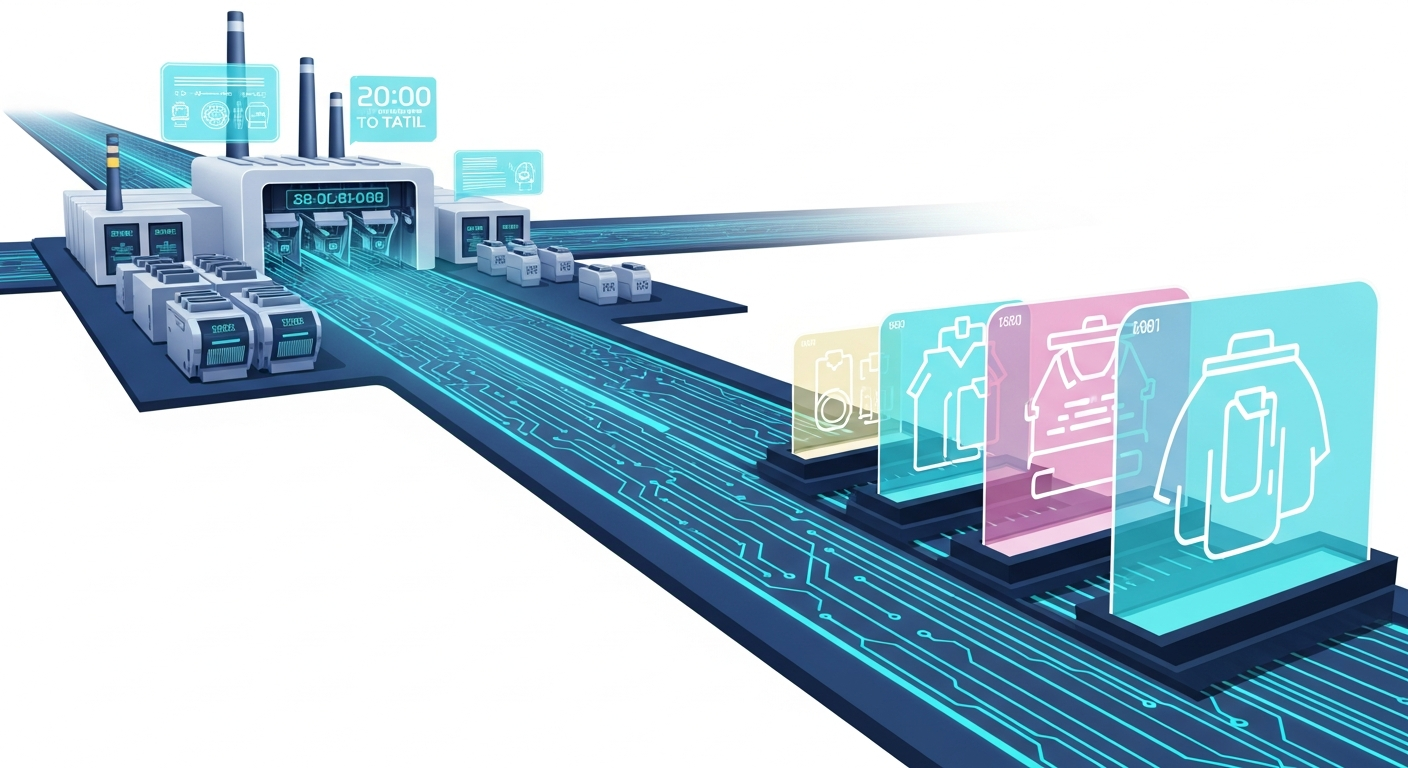
Direct-to-retail doesn't eliminate all costs - you still need ordering infrastructure, fulfillment, and dealer support. But when those functions are software-driven rather than human-driven, the math changes dramatically.
Beyond Cost: Control
The margin conversation is important, but it's not the whole story. Direct-to-retail also changes what you can control.
Brand presentation. When you sell through distribution, you're one of hundreds of brands in a catalog. Your product is a line item. Direct relationships let you control how your brand shows up, what story gets told, how you're positioned relative to competitors.
Pricing integrity. MAP enforcement through distribution is notoriously difficult. When you own the dealer relationship directly, you have more visibility into who's discounting and more leverage to address it.
Data visibility. Distributors sit on sell-through data because it's their competitive advantage. When dealers order from you directly, you know exactly what's moving, where, and how fast. That visibility transforms demand planning.
What Direct-to-Retail Actually Looks Like
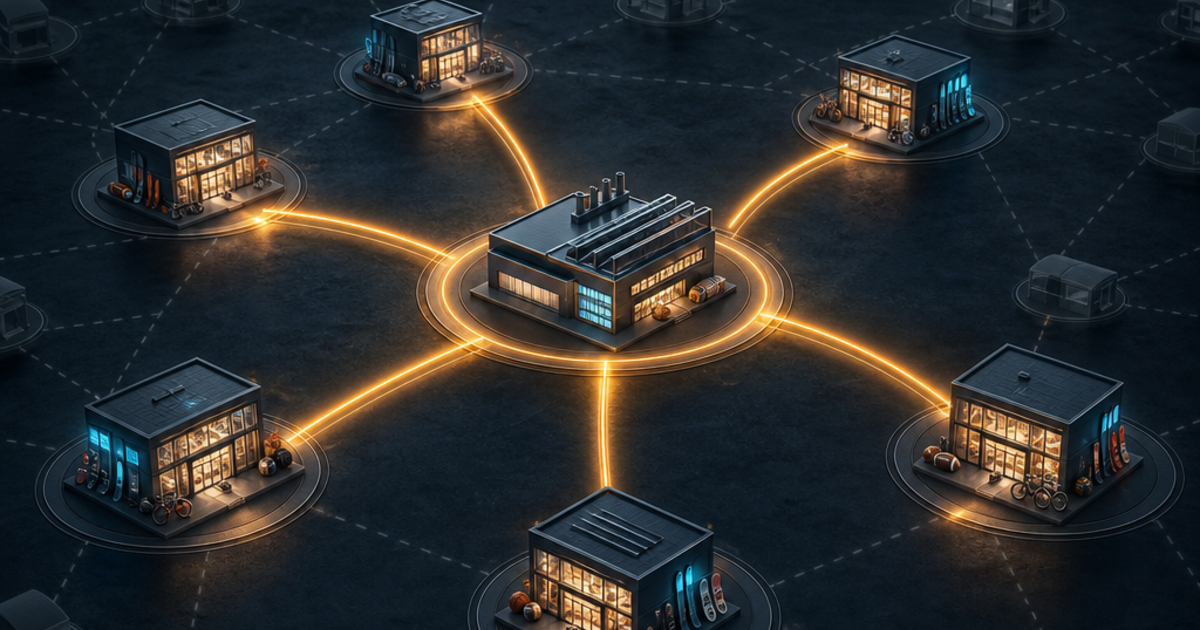
Direct-to-retail isn't a wholesale replacement of distribution. For most manufacturers, it's a parallel channel - one that runs alongside existing distributor relationships rather than replacing them.
The practical version looks like this: Dealers can order from you directly through a platform that handles catalog syndication, ordering, invoicing, and fulfillment coordination. You ship from your own inventory or through a dropship arrangement. The dealer gets product; you get a direct relationship.
Some dealers will prefer distribution for convenience or credit terms. That's fine - those channels can coexist. But the dealers who want a direct relationship can have one, and over time, that base grows.
Who Moves First
Industry shifts don't happen all at once. They happen when enough individual players decide the old way isn't working for them.
The manufacturers who move early get several advantages: they build dealer relationships before competitors do, they establish infrastructure while costs are low, and they create brand differentiation through better service and tighter partnerships.
The manufacturers who wait inherit whatever structure the early movers create - and they inherit it from a weaker position.
The Infrastructure Exists
Direct-to-retail used to require building everything yourself: ordering systems, dealer portals, fulfillment networks, payment processing. That barrier kept most manufacturers locked into distribution even when the economics didn't make sense.
That barrier is gone. Platforms exist now that provide the infrastructure turnkey, letting you focus on product and relationships rather than building technology.
Oryx DTR is one of those platforms. We built it specifically for firearms manufacturers who want the benefits of direct without the overhead of building from scratch. See what's possible.