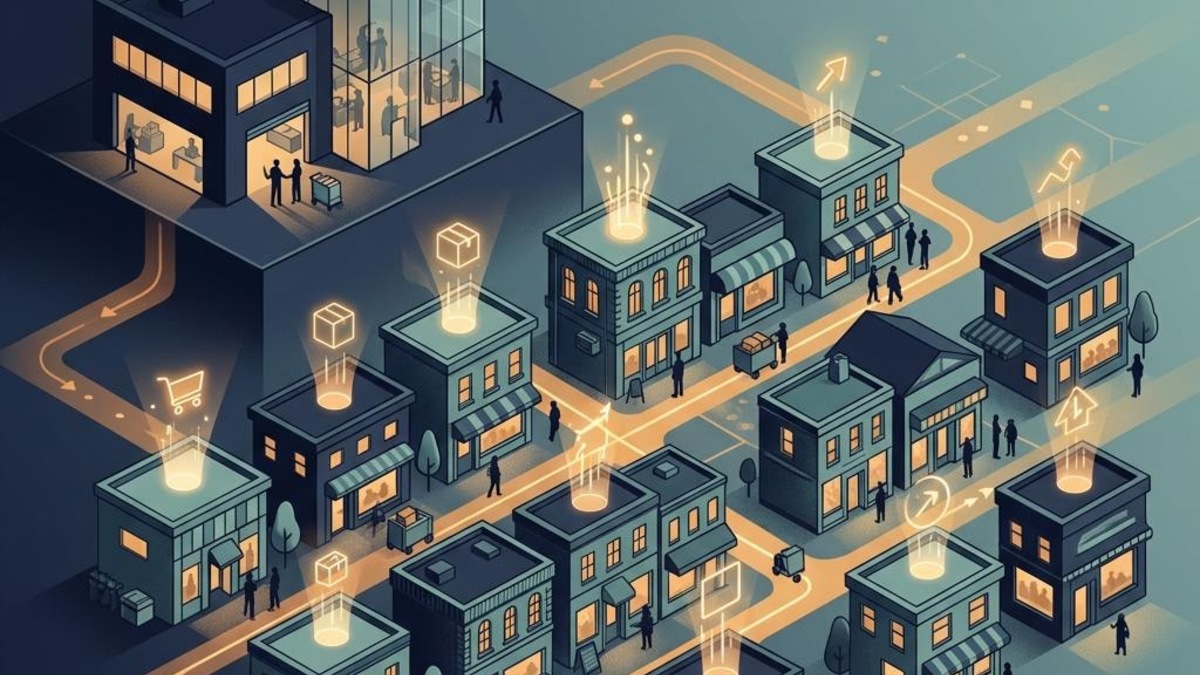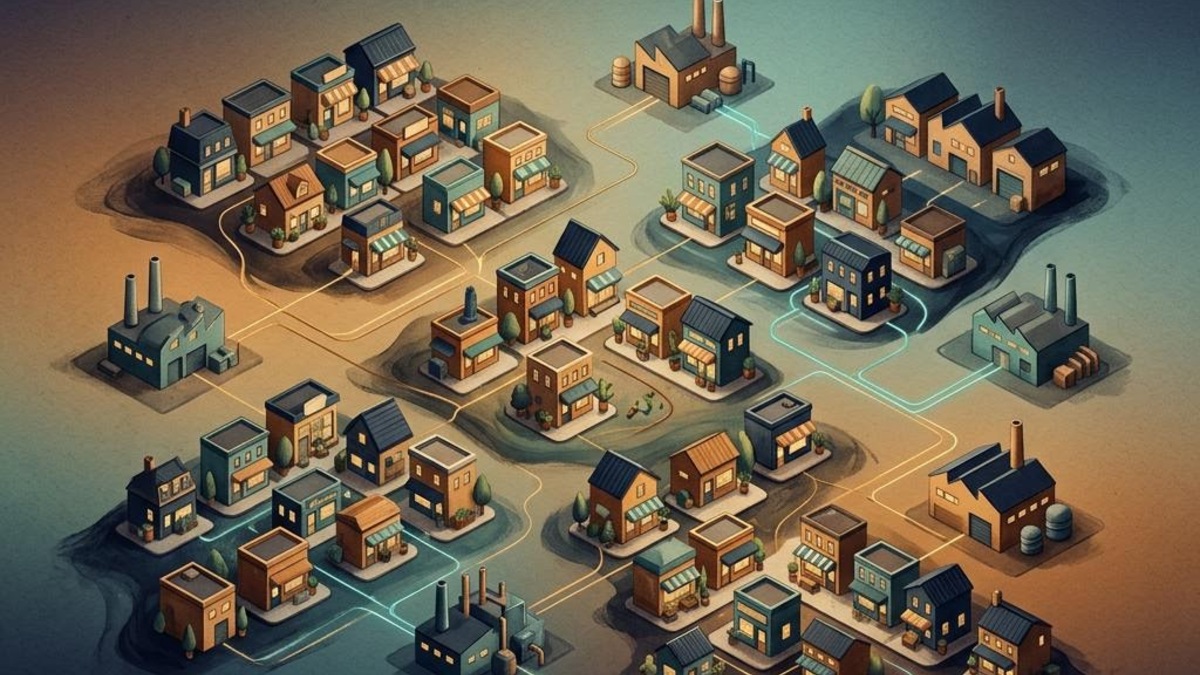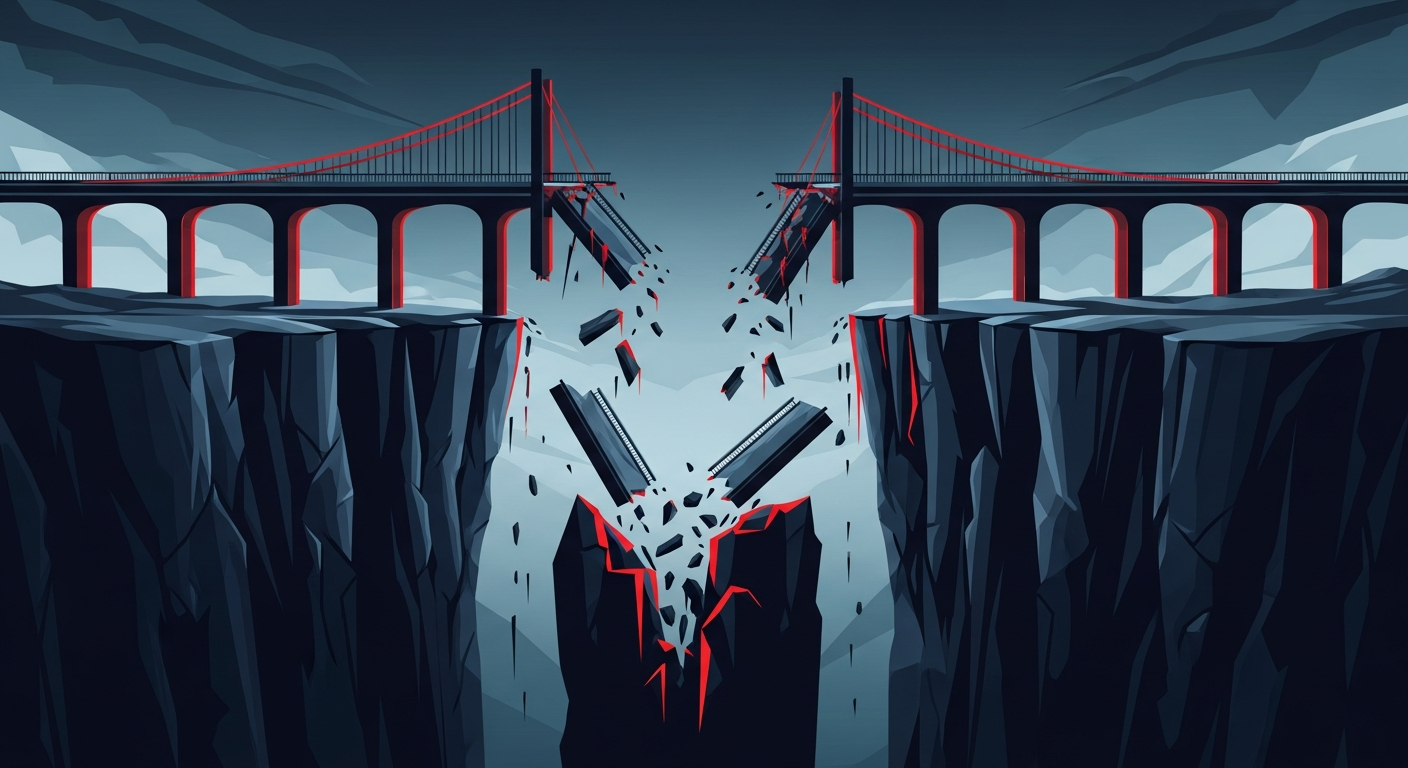
Here's a scenario nobody talks about at trade shows: What happens when your distributor decides you're not worth carrying anymore?
It happens more than you'd think. And it almost never happens on your timeline.
How It Happens
Picture this: You've been with the same primary distributor for years. Solid relationship. Consistent orders. No major complaints. Then the distributor gets acquired.
The new parent company has different priorities. They want to rationalize SKUs, focus on higher-velocity products, consolidate around brands they already have deeper relationships with. Within months, you get a call: your line is being "sunset" from the catalog.
It's framed as a business decision - nothing personal. But the effect is immediate. You lose access to a significant chunk of your retail footprint overnight. Dealers who'd been ordering through that distributor for years suddenly can't get product. Some switch to competitors. Some just stop carrying your brand.
Now you're spending the next year rebuilding relationships you thought you already had.
The Patterns That Precede a Drop
Line drops don't usually come out of nowhere. They follow patterns:
Consolidation. When distributors merge or get acquired, the combined entity almost always rationalizes its catalog. Redundant brands get cut. Lower-margin products get deprioritized. If you're not in the acquirer's core stable, you're at risk.
Margin pressure. When distributors face margin compression - from competitive pressure, rising costs, or market normalization - they start evaluating which lines are worth the shelf space. If your products don't turn fast enough or carry enough margin, you become a candidate for pruning.
Strategic shift. Distributors sometimes decide to go deeper with fewer manufacturers. If they're building a private label in your category, or if a competitor offers them an exclusive, your position suddenly becomes precarious.
Relationship erosion. Sometimes it's simpler: the rep who championed your brand retires. The buyer who believed in you moves on. New people come in with new preferences and no history with you.
You thought you had a relationship. Turns out you had a transaction.
The Dependency Trap
Most manufacturers don't realize how dependent they are until something breaks. You're focused on product development, production, marketing - the distributor handles "the channel." It feels like division of labor.
But what you've actually done is outsource your most important relationships.
When the distributor owns the dealer relationship, you don't have a relationship with the dealer - you have a relationship with the distributor. That distinction matters enormously when things go sideways.
Ask yourself: Do you have current contact information for most of the dealers selling your products? Or does the distributor have all of that?
The Scramble
Here's what happens when a manufacturer loses a major distributor:
First, there's the rush to find alternative distribution. But good distributors are picky, and onboarding takes time - often months. Meanwhile, your retail partners can't get product.
Second, there's the dealer outreach. Except you don't have the relationships, the data, or in some cases even the contacts. You're cold-calling people who've been buying your products for years - and many of them have already switched to whatever the distributor offered instead.
Third, there's the financial hit. Lost sales, rushed logistics, expedited shipping to fill gaps - it adds up fast. The total cost of a line drop often exceeds a year's worth of margin on that channel.
The Window Is Closing
Distribution consolidation in the firearms industry has been accelerating. Fewer distributors means less redundancy and more leverage on their side. If you're relying on one or two major distributors for most of your volume, you're increasingly exposed.
The uncomfortable truth: the best time to build alternative channels is before you need them. Once you're scrambling, you've already lost ground.
The manufacturers who survive line drops have one thing in common: they started building direct relationships before the crisis hit. They had some infrastructure, some data, some dealer contacts that weren't mediated by the distributor.
Control Your Own Timeline
This isn't about dropping your distributors tomorrow. It's about recognizing that dependency is a risk, and diversification is a hedge.
Building direct-to-retail capability doesn't mean abandoning traditional distribution. It means having options. It means owning your own dealer relationships in parallel. It means not waking up one day to discover that someone else controls your access to market.
The question isn't whether your distributor relationship will change - consolidation, margin pressure, and strategic shifts guarantee it will. The question is whether you'll be ready when it does.
Oryx DTR gives manufacturers that optionality - a direct channel that works alongside existing distribution, ready when you need it. Explore what's possible.